- That Black Chemist
- Posts
- Why is Projectile Motion so hard?
Why is Projectile Motion so hard?

Joseph Sampson
April 21, 2026 • 2 minutes
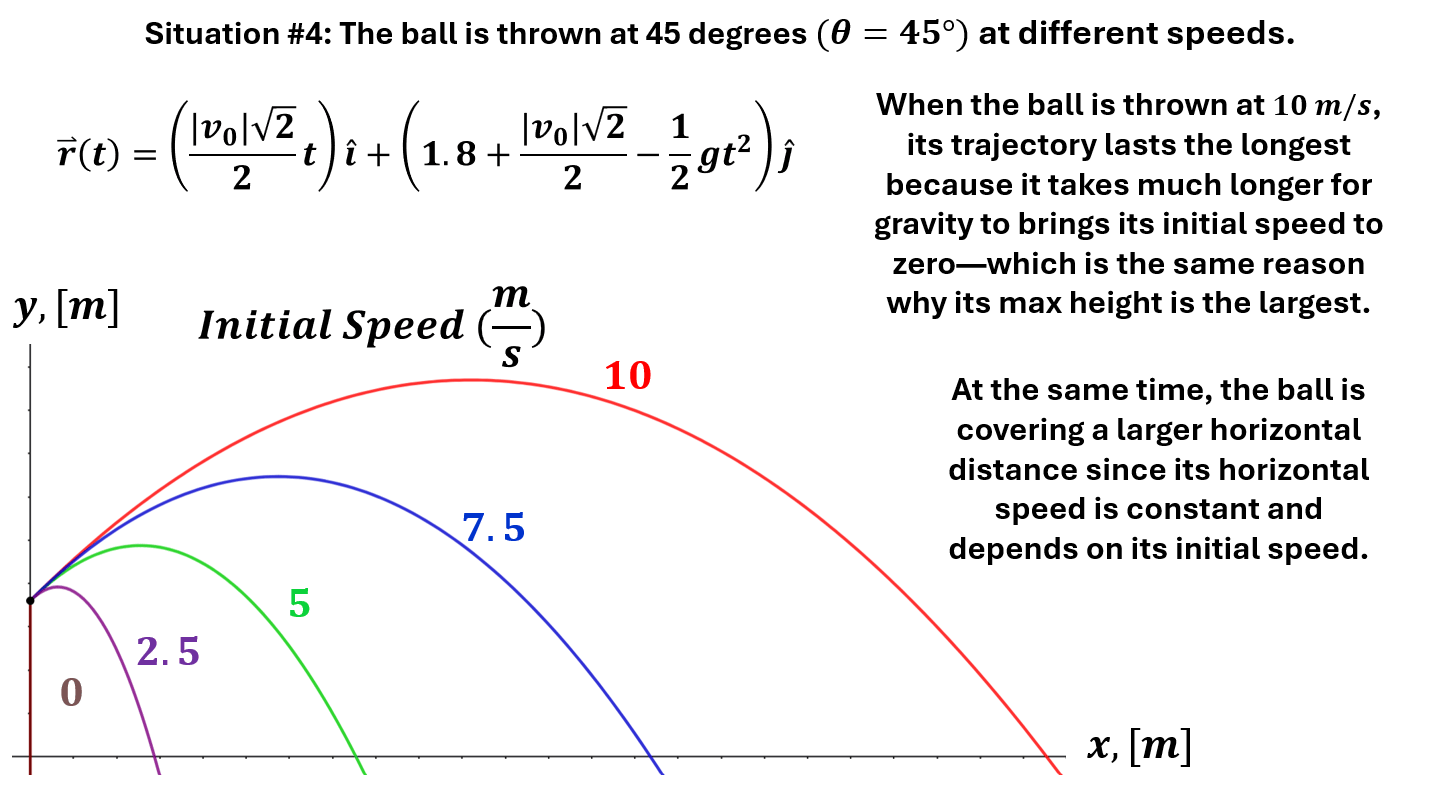
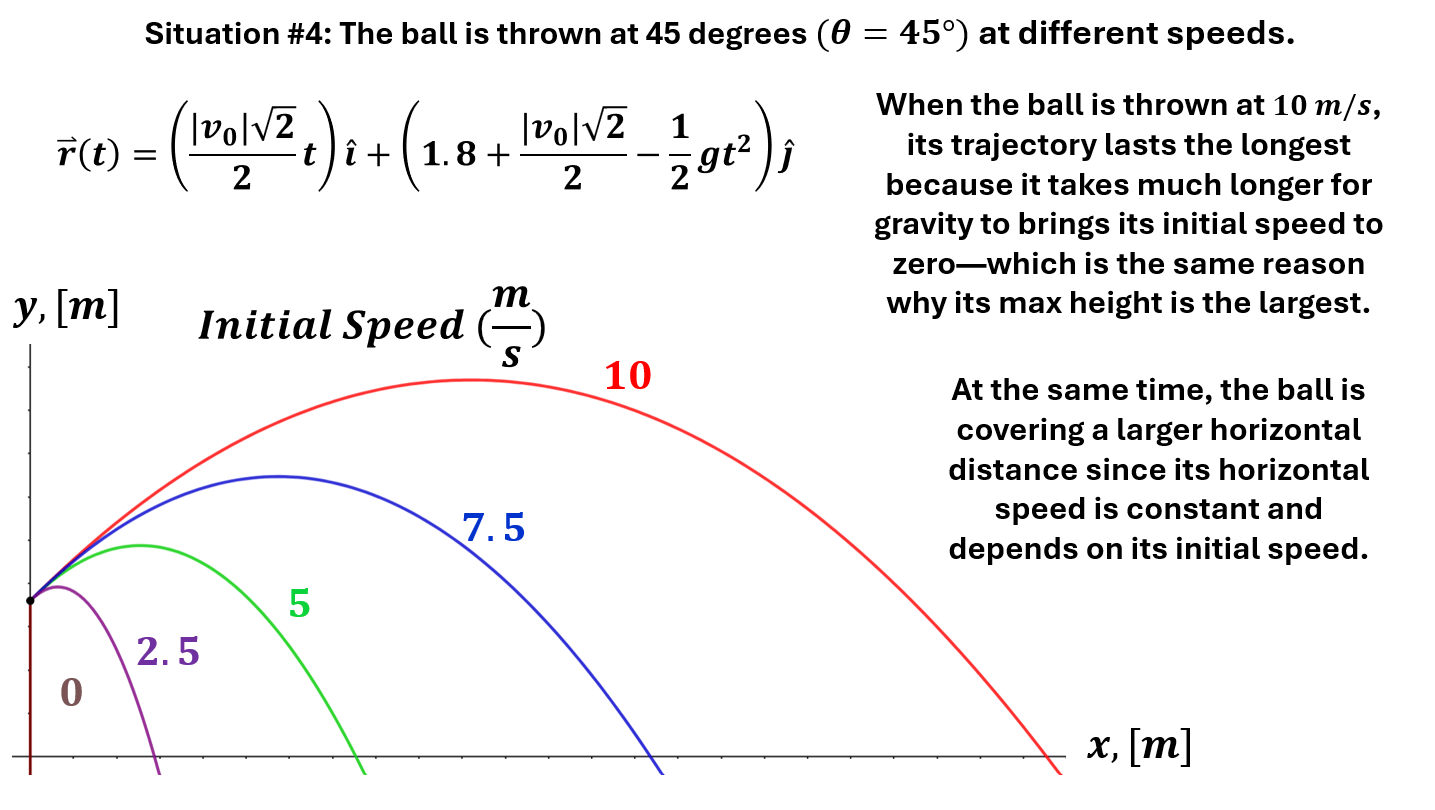
In my physics guide, I break down how to read and solve projectile motion problems.
In physics classes, projectile motion problems are poorly explained and broken down because most students don’t understand the science.
They may teach you gravity accelerates objects downwards (a_y=-g) but they don’t teach you why there’s no acceleration in x.
The reason why projectile motion has no acceleration in x is because there’s no horizontal force present while the ball remains in motion. If there was (like when air resistance is present), then the ball’s velocity along x would change and it would accelerate along the x direction.
You can check out the full guide here which includes an entire section on rotational motion with each acceleration defined.
I’ve also released a Bundle, priced at a 20% discount, which combines the Physics Guide and the ‘Algebra for STEM’ guide into ONE product by compressing all of the relevant algebra used in physics—ranging from prealgebra through precalculus—into one product with physics! Make sure to purchase the complete bundle to master the foundations of physics!
Down below, you can read about each product separately!
📤 Share This with a Friend in Need!
Like What You See? Subscribe for More Content!
Buy it Now: Understand Physics as a Science!

The reason why you’re struggling in physics is because the laws—such as Newton’s second law and conservation of momentum—are introduced as equations to solve problems before being properly understood and read as statements about nature.
That’s why I’ve created a guide which focuses on teaching you physics intuitively as a science so that you can understand how to read equations as statements of nature so that you understand what to do when you run into a new practice problem.
Version 1 just dropped a few weeks ago (April 8th) and covers dimensional analysis, linear motion, calculus, and rotational motion.
Finals is coming in a few weeks so you better buy it ASAP (link in bio)!
Version 1 is out now!
OR
Since you’re Here, check out my other offers to succeed in STEM!

The hardest part about math isn’t the raw calculations: it’s understanding what the math means when rearranging and graphing functions. Most students aren’t trained to interpret the math from a qualitative perspective which is why many students who are ‘good at math’ struggle in introductory chemistry, physics, and engineering courses.
That’s why I’ve created the Ultimate Algebra Guide for Science & Engineering Majors which covers all of the relevant concepts from algebra, trigonometry, and precalculus courses that are applicable for science & engineering majors condensed into a 700+ page guide!
Reply